The workflow
Scouting: place it, set it, check it, fix it
The camera is only half the system. Where it hangs, how high, which settings, which card, and what to change when the pictures come back empty or black. This hub is the workflow around the gear.
By Mike M. · Updated September 2026 · 7 pages in this hub
#adReader-supported: we may earn a commission if you buy through our links, at no extra cost to you. It never decides a ranking. How we rank · Disclosure
Start here
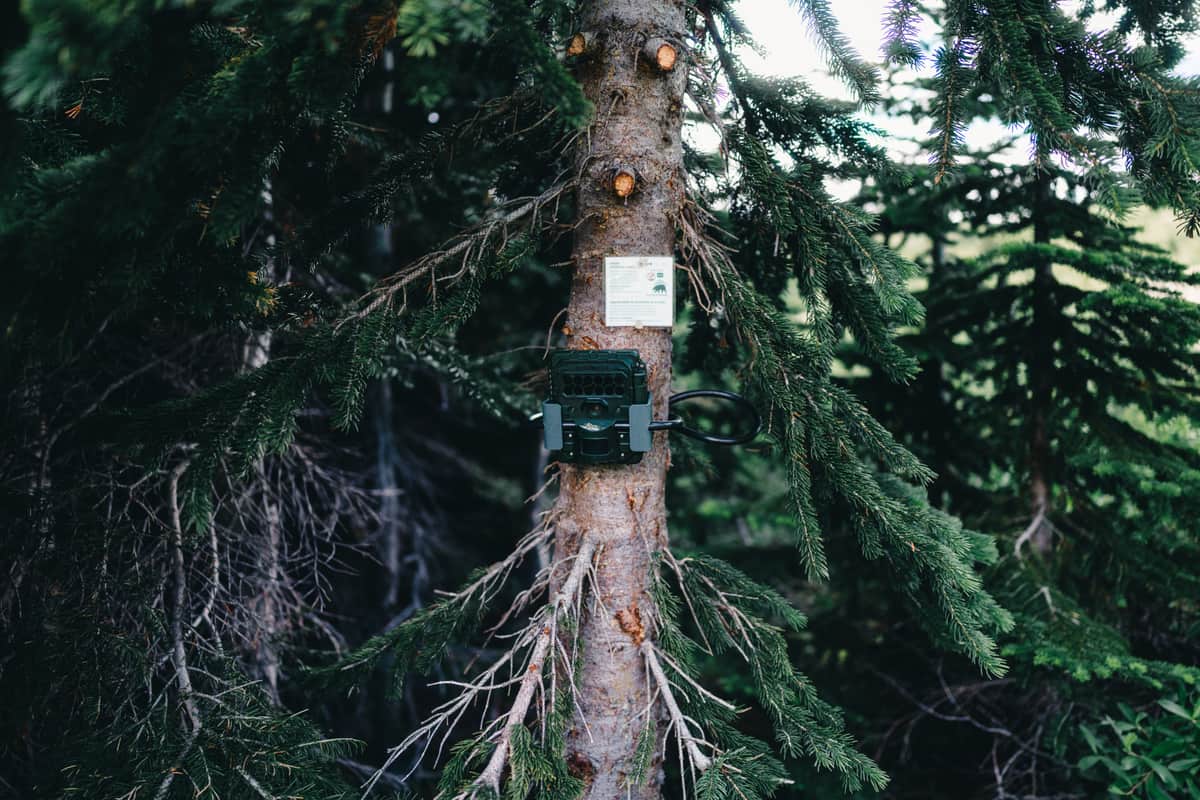
How to set up a trail camera: the first-hang routine that saves a return trip
Top pick: Energizer Ultimate Lithium AA. The AA to put in a trail camera: rated from -40°F to 140°F, up to 25 years of shelf life, lighter than alkaline, and the battery Trailcampro uses for its life estimates.
#ad · Price set by Amazon · Disclosure for the link to Energizer Ultimate Lithium AA
The workflow: place, set, check, adjust
A trail camera is one part of a loop. You pick the spot and the angle (placement, height), you configure it for that spot (settings), you hang it properly the first time so there's no return trip (setup), you check what it produces (from the app, or from the card: the SD card guide), and you change what isn't working. The two most common "isn't working" complaints have their own pages: a cellular camera that stopped sending and night pictures that come back black or blurry. Most of the time the fix is in the loop, not in the store.
Where to start
If you're hanging a new camera, how to set up a trail camera: the kitchen-table steps (lithium AAs, card formatted in the camera, firmware, and for cellular, activation finished at the house with good signal), then the tree. If you own cameras and the photos disappoint, start with the symptom. Black night frames: batteries, then distance. Missed deer: the camera is square to the trail; angle it 30 to 45 degrees along the approach. Photos of grass: lower sensitivity, clear the lane. A cellular camera gone silent: the plan and the monthly cap before anything else. Each of those is a page here, written in the order that finds the cause fastest.
Three rules that apply to every set
Twenty to thirty feet from where the deer will stand, because rated flash and detection ranges are maximums and light falls off with the square of distance. Thirty to forty-five degrees along the line of travel rather than square across it, so the PIR watches the deer walk toward the lens and a 0.4 s camera performs like a 0.2 s one. And north or south facing, because sunrise and sunset in the lens wash out the frame and fire the sensor on warm moving light. The geometry behind all three is in detection range explained; the practice is in placement.
What to change when pictures are bad
Dark or black at night: fresh lithium AAs first; then move the camera closer; then less tilt. Blurry at night: a fast-motion IR mode if the camera has one, and a closer set. Deer half out of frame: the angle, then the trigger; see trigger speed. Hundreds of empty frames: sensitivity down, lane cleared, delay up. Nothing at all: card, batteries, schedule, and on cellular, the plan. Changing settings is free; changing cameras is not, and the roundups on this site exist for when the camera really is the limit. Most of the time it isn't.
Season by season
Early season is food: field edges, plot corners, mast. Pre-rut and rut are scrapes, then pinch points and travel corridors. Late season is food again and south-facing cover, and it's when batteries decide whether the camera is still running; the cold-weather battery guide is a scouting page as much as a power page. Cellular cameras earn their plan in every season by cutting your visits to the set; the less scent you leave, the better the set works, which is the practical case for the Cellular hub.
What this hub isn't
It isn't a hunting-strategy blog. It's the operating manual for the gear ranked everywhere else on this site: what to do at the tree so the camera you bought produces the picture you bought it for. Every page here links to the roundup it supports (a night- picture problem that survives the diagnosis points to the night-picture roundup; a placement without a straight tree points to tree mounts), and every claim about how cameras behave is tied to what the makers publish or what an independent test measured. We haven't field-tested these cameras ourselves and don't claim to; see How We Rank.
Know-how
Guides
Guide
How to Set Up a Trail Camera
Step-by-step trail camera setup: at home (batteries, card, firmware, plan activation), at the tree (mount, aim, settings, walk test), and the brand-specific steps for Tactacam, Spypoint, Moultrie and Browning. Three items to have with you.
By Mike M. · Updated September 2026
Featured: Energizer Ultimate Lithium AA
Check price · Amazon#ad · Price set by Amazon · Disclosure for the link to Energizer Ultimate Lithium AA
Guide
Trail Camera Placement
Six trail camera set types for deer (scrapes, trails, pinch points, field edges, water, bedding edges), the distance and angle rules, sun and wind, early-season vs rut placement, public-land strategy, and the mounts that make it work.
By Mike M. · Updated September 2026
Featured: Spypoint Flex-Dark
Check price · Amazon#ad · Price set by Amazon · Disclosure for the link to Spypoint Flex-Dark
Guide
Trail Camera Height
The three trail camera heights (3-4 ft level for deer, 8-10 ft tilted for security and theft-prone sets, 26-36 in on a stake), the tilt rule, slope and snow corrections, and the mounts that make each height work.
By Mike M. · Updated September 2026
Featured: HME Trail Camera Holder Tree Mount
Check price · Amazon#ad · Price set by Amazon · Disclosure for the link to HME Trail Camera Holder Tree Mount
Guide
Trail Camera Settings
The eight trail camera settings (mode, burst, delay, sensitivity, time-lapse, resolution, transmit schedule, IR mode), what each costs in battery and plan, and a chart of recommended values for scrapes, trails, feeders, plots and security.
By Mike M. · Updated September 2026
Featured: Stealth Cam Deceptor Max 3.0
Check price · Amazon#ad · Price set by Amazon · Disclosure for the link to Stealth Cam Deceptor Max 3.0
Guide
Trail Camera SD Card Guide
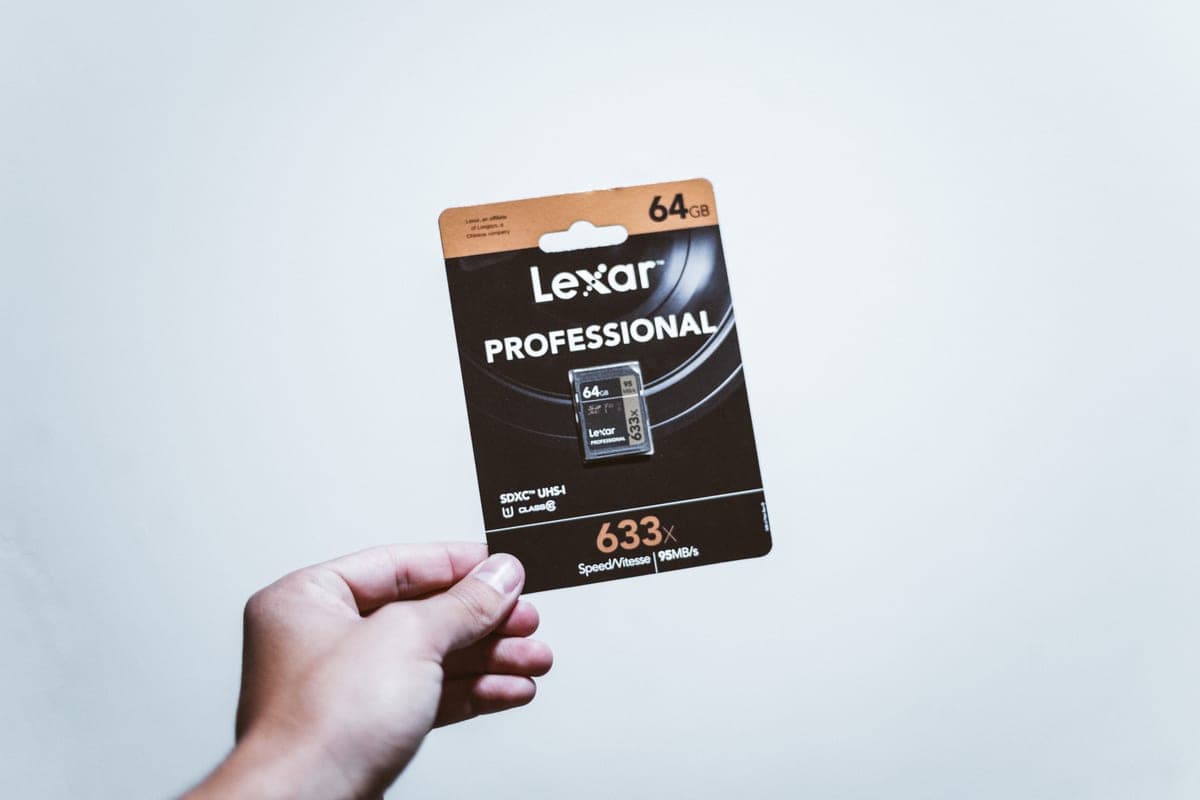
Which SD card for a trail camera (32GB SDHC default; Browning to 512GB, Stealth Cam DS4K to 128GB), speed class for 4K, formatting in-camera, the causes of 'SD error' and 'not reading,' phone readers, and the Moultrie Edge as the no-card option.
By Mike M. · Updated September 2026
Featured: SanDisk Extreme PRO 32GB SDHC UHS-I (U3, V30)
Check price · Amazon#ad · Price set by Amazon · Disclosure for the link to SanDisk Extreme PRO 32GB SDHC UHS-I (U3, V30)
Guide
Cellular Camera Not Sending Pictures
Nine ranked causes of a cellular camera that stops sending (plan, cap, activation, signal, schedule, card, batteries, firmware, hardware) with the fix for each and brand-specific notes, plus the dual-SIM cameras and antenna for sets where signal is the answer.
By Mike M. · Updated September 2026
Featured: Spypoint Flex-Dark
Check price · Amazon#ad · Price set by Amazon · Disclosure for the link to Spypoint Flex-Dark
Guide
Trail Camera Not Taking Night Pictures
A symptom-first diagnosis for bad night photos: no night triggers, black frames, dark subjects, blur, washout, half-lit frames. The causes (batteries, distance, tilt, lens, IR mode, mode/schedule, array) and fixes, plus the two cameras that fix it by hardware.
By Mike M. · Updated September 2026
Featured: Energizer Ultimate Lithium AA
Check price · Amazon#ad · Price set by Amazon · Disclosure for the link to Energizer Ultimate Lithium AA
Filed elsewhere, written for you
Also worth reading
Mounts & Security
Best Trail Camera Tree Mounts
Three HME tree mounts ranked: the screw-in Tree Mount (360°/120°, $15.99), the Strap-On for no-screw ground, the Economy holder. Why aim control matters more than the camera, and the 1/4-20 stud they share.
By Mike M. · Updated September 2026
Top pick: HME Trail Camera Holder Tree Mount · 3 ranked
Check price · Amazon#ad · Price set by Amazon · Disclosure for the link to HME Trail Camera Holder Tree Mount
Trail Cameras
Detection Range Explained
What a PIR detection range figure means, why detection angle matters more than distance, how detection differs from flash range and field of view, and what weather does to it. Four picks with published or measured detection figures.
By Mike M. · Updated September 2026
Featured: Moultrie Edge 3 Pro
Check price · Amazon#ad · Price set by Amazon · Disclosure for the link to Moultrie Edge 3 Pro
Cellular Trail Cameras
Best Cellular Camera for Low Signal
Five multi-carrier cellular cameras that pick the stronger network automatically, ranked for weak-signal sets, plus the passive antenna and placement rules that add a bar.
By Mike M. · Updated September 2026
Top pick: Spypoint Flex-Dark · 5 ranked
Check price · Amazon#ad · Price set by Amazon · Disclosure for the link to Spypoint Flex-Dark